Ideas / Illustrative business concept
A clothing label built around everyday wear
Start with one repeatable garment, a clear fit brief and feedback from the people who will wear it.
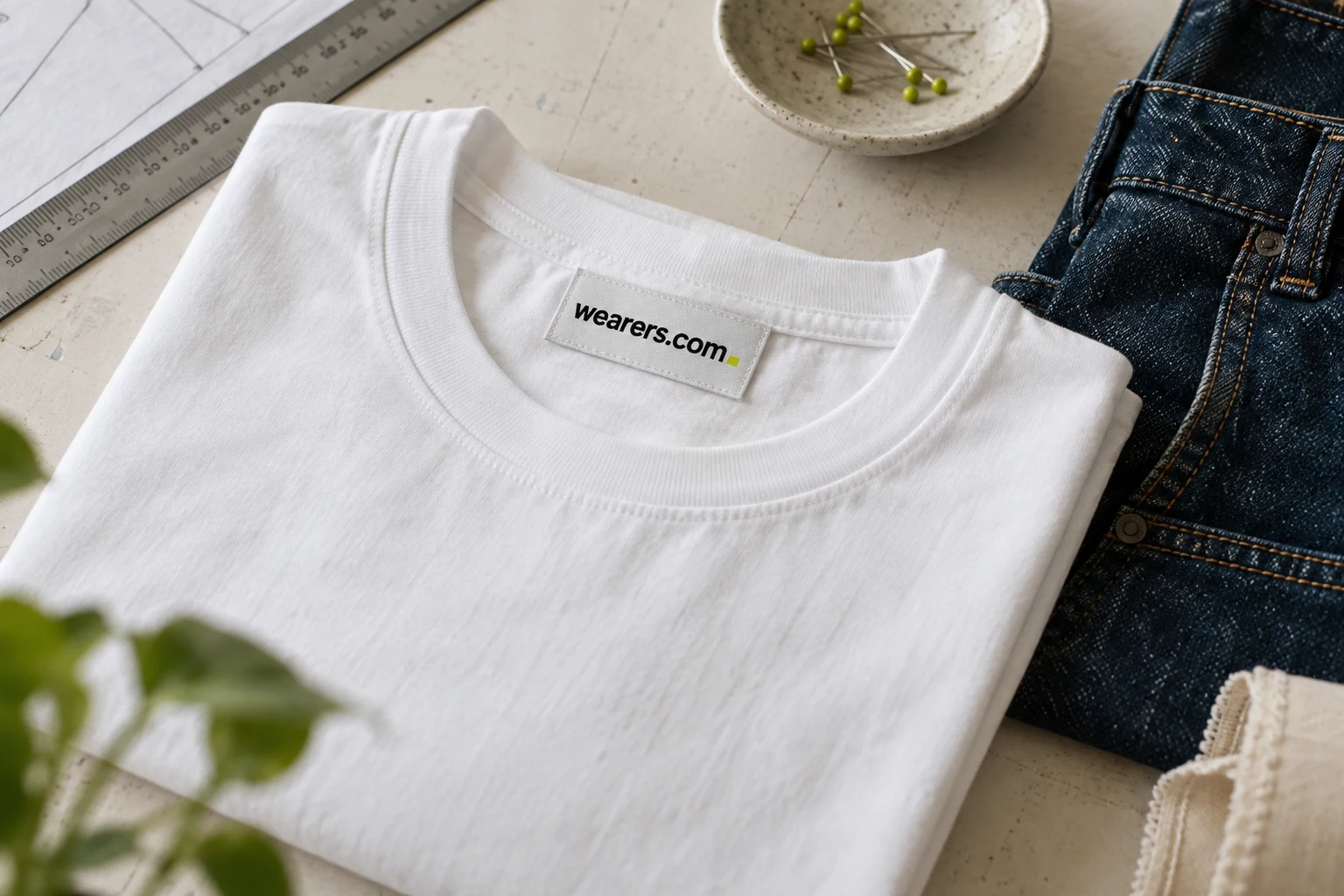
Begin with a garment that earns another day
This is an illustrative business concept for a future owner of wearers.com. Imagine a clothing label whose first release is one everyday overshirt. The customer wants something comfortable enough for a train commute and tidy enough to leave on through dinner. That is a useful starting point because it gives the founder a specific situation to design for. The product has a job beyond looking good in a launch photograph.
The name wearers.com fits this approach by putting the person in the garment ahead of a designer persona. A product page could organize information around movement, layering and care. A newsletter could follow how customers combine the same overshirt with clothes they already own. The first collection would still need a recognizable visual point of view, but the conversation could begin with daily use.
Choose a customer before choosing colors
Write a short customer brief before contacting a factory. Include where the garment will be worn, the climate, the clothes underneath it and what the customer currently buys instead. A light overshirt worn over a T-shirt is a different product from a winter layer intended to fit over a thick sweater. Ask prospective customers to show an existing favorite and explain the last time it disappointed them.
Keep those interviews concrete. Ask where a pocket becomes awkward, whether cuffs stay in place and how often the garment needs washing. Avoid presenting a finished idea and asking if people like it. That tends to invite polite agreement. The useful evidence is a repeated inconvenience, an observable preference or a tradeoff someone already makes. Write down disagreements too. They can reveal that the proposed customer group is too broad.
Make the first assortment small enough to understand
A possible pilot would offer one shape, two colors and a considered size range. This is an example, not a prescribed launch formula. Each additional variation adds another item to photograph, count, explain and replenish. The founder should decide which variations help test the main proposition and which only make the collection look fuller. A missing color is easier to add later than an unclear fit is to explain after orders arrive.
Create a sample specification with measurements, fabric details, stitching notes and a version number. Keep a physical reference sample and photographs of the details that matter. When a supplier changes a component, record that change rather than relying on memory. A written specification makes feedback actionable: a cuff opening can change by a measured amount, while a note saying the shirt feels strange leaves too much to interpretation.
Test movement and explain the fit
Invite a small group of intended customers to try the sample in relevant situations. Have them sit, reach, carry a bag and add the layer they normally wear beneath it. Record the size tested and the participant’s preferred fit. A person who likes loose clothing may describe the same sample very differently from someone who prefers a close silhouette. Those preferences belong beside the observation.
Layering also affects fit. REI’s cold-weather layering guidance explains how garments work together as conditions and activity change. It is a useful reminder to test a layer with the clothing that accompanies it. It is not a manufacturing specification for an everyday overshirt, and the eventual product needs its own sampling and care decisions.
Build the launch around useful evidence
A credible distribution path is a short editorial series documenting the product’s development. Show the pocket revision, the difference between two sleeve lengths and the final garment on more than one person. Invite readers to join a launch list because they want that product, rather than because a giveaway attracted them. Permission and clear expectations matter when collecting contact details or publishing a participant’s photograph.
Product photography should answer the remaining buying questions. Include the front, back, fabric surface and relevant construction details. Shopify’s photography guidance recommends keeping the product visually central and using a consistent setup. For this concept, the practical result would be a repeatable photo set that can be recreated for later colors or revised samples.
Decide what the pilot must teach
Before taking orders, work through production timing, packaging, returns, customer support and cash required for the first run. The founder needs a plan for a sample that misses its target, a delivery that slips and a size that customers consistently exchange. Those are operating questions that a strong domain cannot answer. A launch calendar should leave room for corrections discovered during sampling.
An early decision sheet could track three questions: do intended customers understand the garment, does its fit survive real use, and can the business deliver it with a workable cost structure? Keep interview notes separate from sales commitments. Interest can inform the next sample without being treated as a forecast. If the product is still uncertain, another small test may be more useful than a larger collection.
The immediate next step is to interview prospective customers and test one fit sample. A founder considering this direction can inquire about acquiring wearers.com with a short description of the product and the intended customer. The domain acquisition is separate from the illustrative clothing concept and any creative assets shown here.

About Michael Santiago
Michael founded i-Newswire.com in 2007. The business became iNewswire.com, then the clear, category-defining Newswire.com, and sold to Issuer Direct for $44 million in 2022. Today he develops premium domains and companies through OnlineBusiness.com, considering how a direct name can support a focused first offer.